
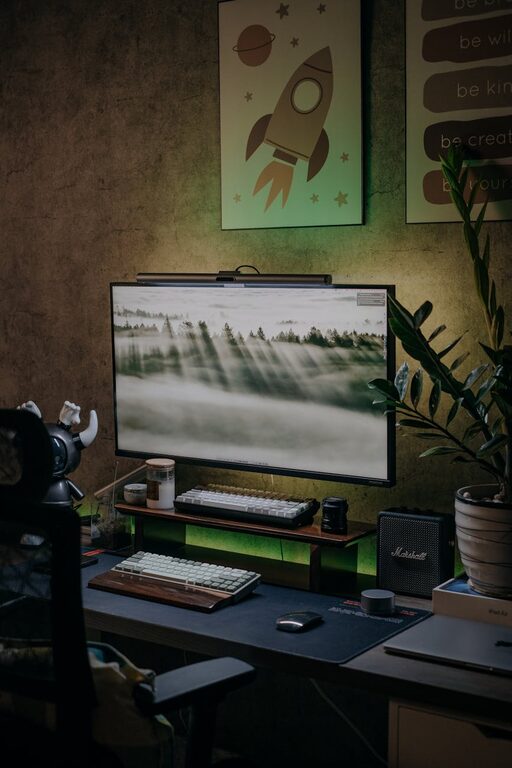
Creating a cozy and inviting home workspace can transform your daily routine, making work more enjoyable and productive. Whether you’re working remotely full-time or setting up a spot for occasional tasks, a comfortable and well-organized workspace can help reduce stress and boost focus. Here are some practical tips to help you design a home office you’ll love spending time in.
1. Choose the Right Location
Selecting the right spot for your workspace is the first step. Ideally, pick a quiet area with good natural light. Windows not only provide daylight but also offer a view that can refresh your mind during breaks.
– Avoid high-traffic areas to reduce distractions.
– If space is limited, consider using a room divider or screen to separate your work zone.
2. Invest in Comfortable Furniture
Comfort is key when setting up a workspace. Your chair and desk should support good posture to prevent aches and pains.
– Choose an ergonomic chair that provides adequate back support.
– Pick a desk with enough surface area for your laptop, monitor, and any other essentials.
– Adjustable furniture allows you to customize height and positioning for maximum comfort.
3. Use Warm Lighting
Lighting plays a huge role in creating a welcoming atmosphere. Avoid harsh overhead lights that strain your eyes.
– Use a combination of natural light, desk lamps, and soft ambient lighting.
– Warm-toned bulbs produce a cozy glow, reducing fatigue during long work hours.
– Consider adding a small lamp with adjustable brightness to suit different tasks.
4. Add Personal Touches
Personalizing your workspace can make it feel more inviting and inspiring.
– Display photos, artwork, or motivational quotes that uplift you.
– Incorporate colors and decor items that reflect your personality and taste.
– Add soft textures such as a throw blanket or cushioned seat pad for added comfort.
5. Bring in Greenery
Plants are a great way to add life and freshness to your home office.
– Choose low-maintenance plants like succulents, pothos, or snake plants.
– Place plants near your desk or on shelves to brighten the space.
– Indoor greenery can also improve air quality and reduce stress.
6. Keep Your Workspace Organized
Clutter can be distracting and reduce your ability to concentrate.
– Use storage solutions like shelves, drawers, or baskets to keep supplies tidy.
– Declutter your desk daily, keeping only the essentials within reach.
– Label files and containers to quickly find what you need.
7. Manage Cable Chaos
Cables are inevitable, but messy cords can make your workspace look untidy.
– Use cable organizers, clips, or sleeves to bundle wires neatly.
– Position power strips within easy reach but out of sight.
– Wireless devices can also reduce cable clutter.
8. Create a Relaxing Area for Breaks
Taking breaks is important for productivity and well-being.
– If space allows, include a small comfortable chair or cushion nearby.
– Use this spot to stretch, read, or enjoy a cup of tea during breaks.
– A dedicated relaxation corner helps you disconnect from work and recharge.
9. Optimize for Sound
Noise can be disruptive, especially in a busy household.
– Use noise-canceling headphones to focus during calls or deep work.
– Consider adding a white noise machine or soft background music to mask distractions.
– Thick curtains and rugs can absorb sound and create a quieter environment.
10. Maintain Good Air Quality
Fresh air contributes to comfort and alertness.
– Open windows regularly to allow airflow.
– Use an air purifier if your home environment is prone to dust or allergens.
– Adding plants also helps in maintaining better air quality.
—
Final Thoughts
Designing a cozy and inviting home workspace doesn’t have to be complicated. By focusing on comfort, organization, lighting, and personal touches, you can create a space that supports both productivity and well-being. Remember, the goal is to make your workspace a place you look forward to spending time in every day.
Start small, and gradually add elements that make your workspace feel uniquely yours. Happy decorating!
About the Author