Creating a relaxing home environment is essential for unwinding after a busy day and boosting your overall well-being. You don’t need to undertake a major renovation or invest in expensive furnishings to make your space feel peaceful and inviting. Small, simple decor changes can profoundly impact the atmosphere of your home, making it a calming retreat where you love to spend time.
In this post, we’ll explore easy-to-implement tips to help you create a relaxing home environment through thoughtful decor choices.
1. Choose Soothing Colors
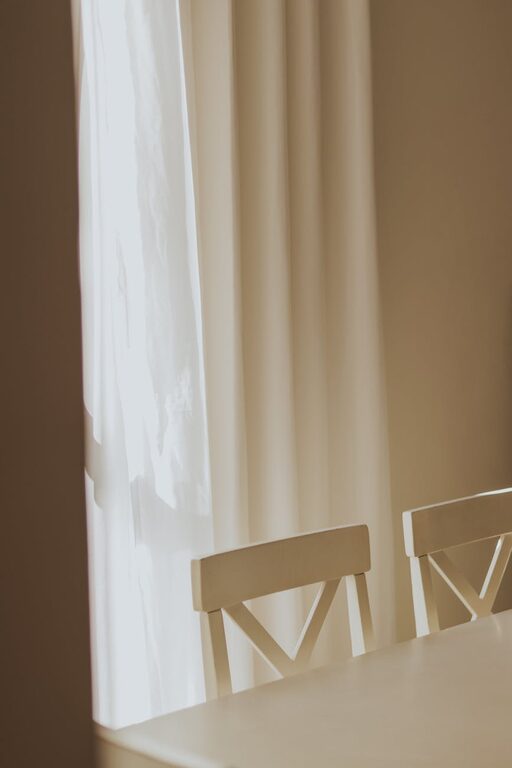
The colors in your home play a significant role in setting the mood. Soft, muted tones encourage calm and relaxation.
– Soft neutrals: Shades like beige, cream, pale gray, and soft whites create a serene backdrop.
– Pastels: Light blues, greens, lavenders, and blush pinks are gentle on the eyes and encourage rest.
– Avoid harsh contrasts: Stay away from overly bright or neon colors in living spaces focused on relaxation.
Consider repainting the walls or introducing soothing colors through textiles like curtains, cushions, or rugs.
2. Bring Nature Indoors
Natural elements help reduce stress and improve mood. You don’t need a green thumb to bring some freshness into your space.
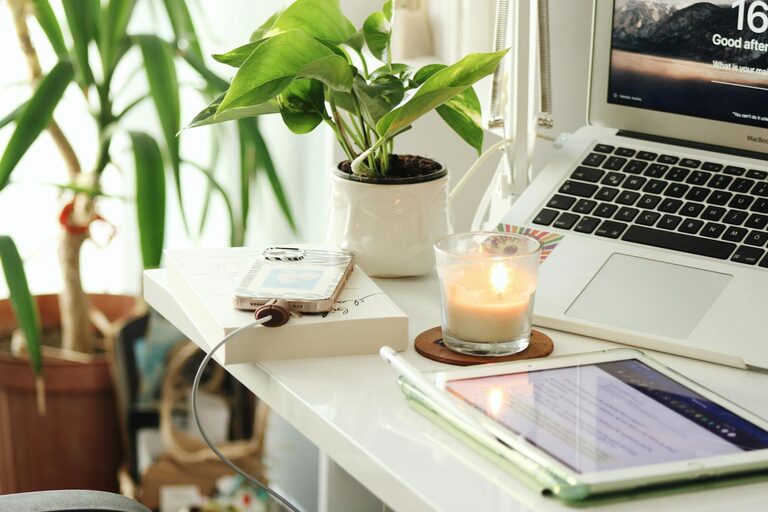
– Houseplants: Plants like snake plants, peace lilies, or pothos clean the air and add a calming visual element.
– Natural materials: Use wood, linen, cotton, and stone in your furniture and decor for an organic feel.
– Nature-inspired artwork: Prints featuring trees, flowers, or landscapes support a peaceful environment.
This connection to nature promotes relaxation and adds warmth to your home.
3. Declutter and Organize
Clutter can increase stress and make it harder to relax. A tidy space promotes mental calmness.
– Start by sorting through items and getting rid of things you no longer need or use.
– Use storage solutions like baskets, shelves, and boxes to keep items organized but out of sight.
– Maintain only essential decor pieces that contribute to the room’s tranquil feel.
Make decluttering a regular habit to sustain a peaceful atmosphere.
4. Soft Lighting for a Cozy Ambiance
Lighting changes instantly influence a room’s vibe. Bright overhead lights can feel harsh, while soft lighting creates warmth.
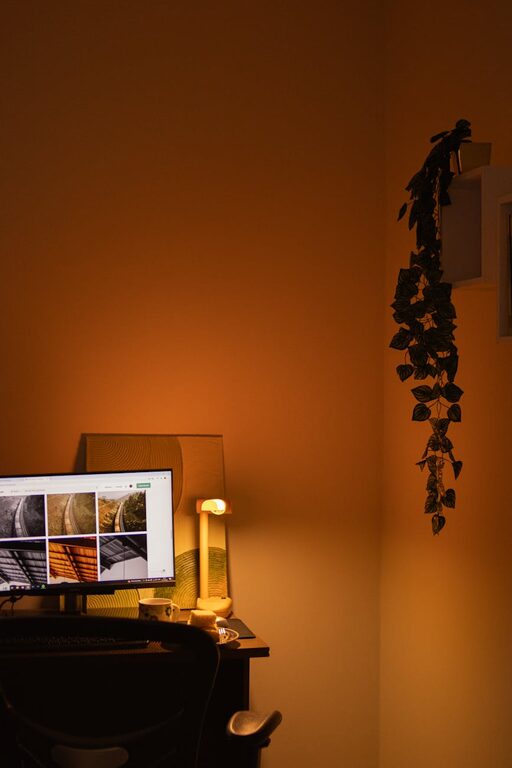
– Use floor lamps, table lamps, and string lights for layered, gentle illumination.
– Consider bulbs with a warm hue (around 2700K) to enhance coziness.
– Add dimmer switches to control brightness based on your mood or time of day.
Candles or flameless LED candles also add a soothing flicker and pleasant scent, improving relaxation.
5. Incorporate Comfortable Textiles
Soft textures invite you to relax physically and mentally.
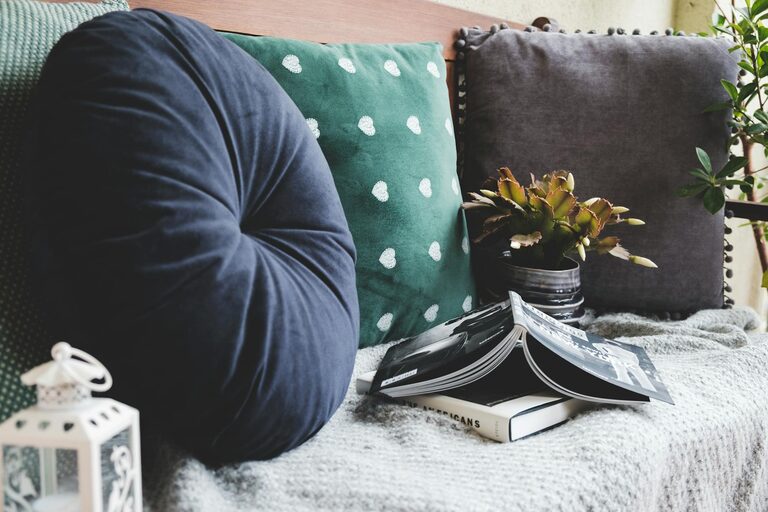
– Add plush cushions and throws on sofas and chairs.
– Use soft area rugs to create warm, comfortable spaces for walking or sitting.
– Choose bedsheets and curtains made from natural, breathable fabrics like cotton or linen.
These touches add comfort and help buffer noise for better tranquility.
6. Create a Dedicated Relaxation Spot
Designate an area in your home solely for rest and relaxation.
– It could be a cozy reading nook with a comfy chair and good lighting.
– A meditation corner with cushions and calming decor can boost mindfulness.
– A small indoor garden space, if you have room, provides a peaceful retreat.
Having a specific place to unwind encourages healthy relaxation habits.
7. Limit Technology in Relaxation Areas
Electronic devices often increase stimulation and reduce calm.
– Avoid placing TVs, computers, or phones in relaxation zones.
– Use these areas to disconnect and recharge.
– If you use a speaker for music, opt for soft instrumentals or nature sounds.
This separation helps your brain associate the space with peace, not screen time.
8. Add Personal Touches with Meaningful Decor
Incorporate items that evoke happy memories or positive feelings.
– Family photos in simple frames.
– Handmade crafts or souvenirs from favorite trips.
– Inspirational quotes or artwork that uplift you.
Meaningful objects foster comfort and add character without cluttering the space.
9. Use Aromatherapy Wisely
Scent powerfully influences mood and relaxation.
– Diffuse essential oils like lavender, chamomile, or eucalyptus.
– Place fresh flowers or herbal sachets around the home.
– Avoid overwhelming fragrances; subtle scents work best.
Pleasant aromas can reduce stress and promote better sleep.
10. Maintain Clean Air and Freshness
A clean, fresh-smelling home naturally feels more inviting and peaceful.
– Open windows regularly to air out rooms.
– Use air purifiers if needed to reduce allergens.
– Keep fabrics fresh by washing curtains, cushion covers, and rugs periodically.
A fresh environment supports both physical comfort and mood.
—
Final Thoughts
Creating a relaxing home environment through simple decor changes is a rewarding process. By focusing on calming colors, natural elements, soft lighting, and personal touches, you can turn your living space into a peaceful sanctuary. Remember, the goal is comfort and tranquility, so prioritize what feels right for you and your lifestyle.
Start small, experiment, and enjoy the transformation into a relaxing haven you’ll love coming home to.
About the Author