Creating a relaxing home office environment can make a significant difference in your daily work routine. When your workspace feels calm and inviting, it’s easier to focus, reduce stress, and stay motivated. Whether you have a dedicated room or a small corner for your office, these tips will help you design a space that promotes relaxation and productivity.
Choose the Right Location
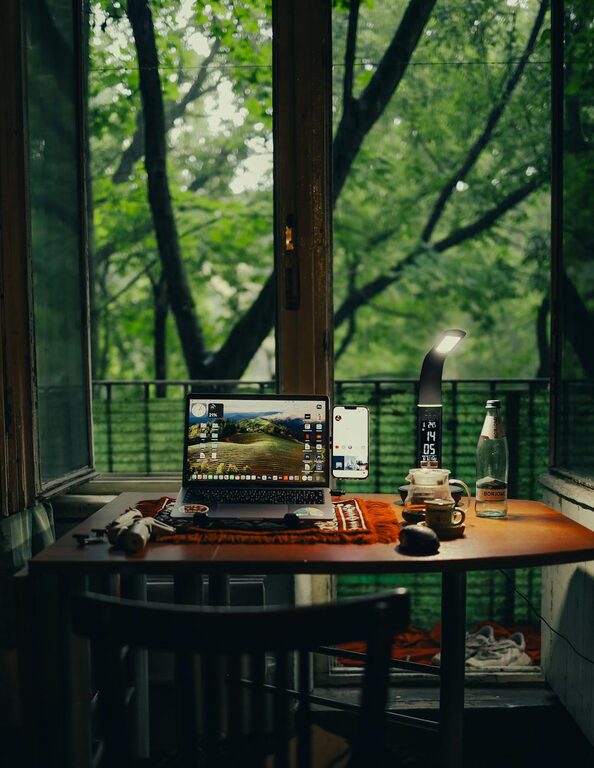
Start by selecting a spot in your home that suits your work style and needs. Ideally, look for a quiet area with minimal distractions. Natural light is a big plus, so pick a space near a window if possible. If your workspace is in a shared room, try to define the area clearly using furniture or partitions.
Invest in Comfortable Furniture
Comfort is key in a relaxing office. Choose an ergonomic chair that supports your back and allows you to sit comfortably for long periods. A desk with enough space to organize your work essentials can help keep things tidy and promote focus. Consider adjustable furniture so you can switch between sitting and standing.
Use Soothing Colors
Colors influence mood and energy levels. Soft, neutral tones like light blues, greens, or beige create a calming atmosphere. If you prefer a bit of color, try pastel shades or accents rather than bold, bright colors that might be distracting. Your color choices should help you feel peaceful and centered.
Declutter and Organize
A cluttered workspace can increase stress and reduce productivity. Keep your desk clean by only having essential items within reach. Use storage solutions like shelves, drawers, or boxes to organize paperwork, office supplies, and electronics. Regularly tidying your space will help maintain a relaxed environment.
Add Personal Touches Thoughtfully
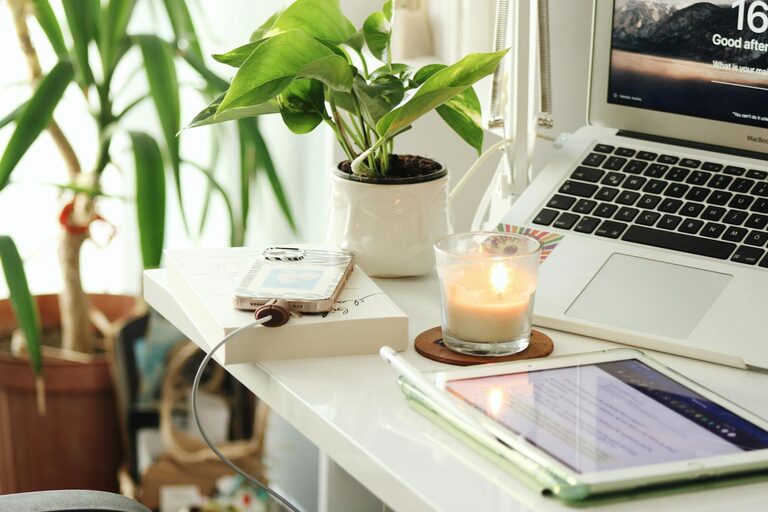
Personal items like photos, plants, or artwork can make your office feel more welcoming. Choose items that inspire and calm you rather than things that cause distraction. Indoor plants, for instance, can improve air quality and bring a touch of nature indoors, helping to reduce anxiety and boost mood.
Control Lighting
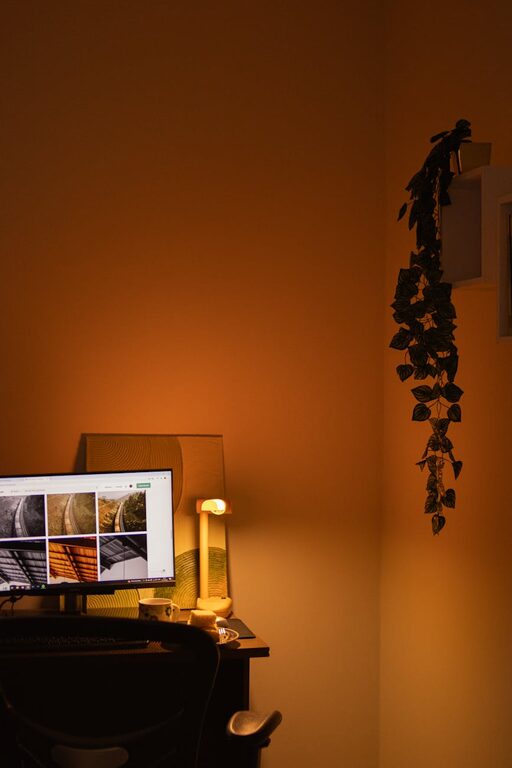
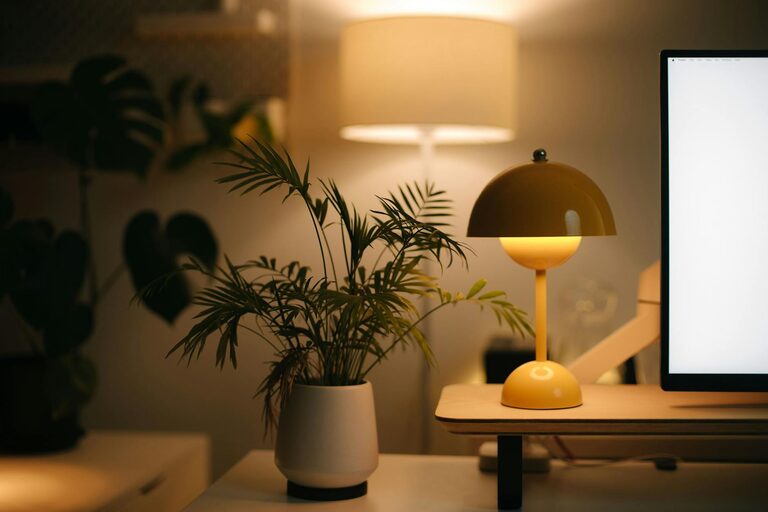
Lighting affects both your comfort and your energy. Use a combination of natural light and soft artificial lighting. Avoid harsh overhead lights or screens that cause glare. Consider a desk lamp with adjustable brightness to provide focused lighting when needed. Warm light tones tend to be more relaxing than cool ones.
Minimize Noise Distractions
Noise can easily disrupt concentration. If you can’t control outside sounds, try using noise-canceling headphones or playing white noise or gentle background music to mask distractions. Even simple changes like adding rugs or curtains can help absorb sound and create a quieter space.
Incorporate Relaxation Breaks
Design your home office with breaks in mind. A small comfortable chair or a corner with cushions can invite short rest periods. Stretching or mindfulness exercises throughout your workday can refresh your mind and keep stress levels low.
Maintain Good Air Quality
Fresh air plays a big part in feeling relaxed and alert. Open windows regularly to let in fresh air. If that’s not possible, use air purifiers or add plants known for their air-cleaning properties. Good ventilation reduces stuffiness and keeps the environment healthy.
Keep Technology Organized and Functional
A neat technology setup reduces frustration and keeps your workflow smooth. Use cable organizers to prevent tangled cords and ensure devices are easy to access. Keep your computer and other equipment cleaned and up to date. Having a functional setup minimizes distractions that can come from technical problems.
Final Thoughts
Designing a relaxing home office is about creating a space that supports your work and well-being simultaneously. By paying attention to comfort, lighting, organization, and personal touches, you can transform any area into a calming workspace. Taking time to personalize and maintain your office environment encourages focus, creativity, and a balanced workday.
Implementing even a few of these tips can make a big difference in how you feel throughout your workday. Start small, and gradually adjust your home office until it feels like a place you enjoy spending time in. A relaxing office environment is a valuable investment in your productivity and happiness.
About the Author